What Do Young Adults Want? A Catholic Young Adult Ministry Reality Check
It’s a frustrating place to be: you want to reach out and help someone, but you don’t know what they need.
The Church, I think, has felt this way about young adults for a long time; especially anyone trying to build Catholic young adult ministry in a parish that knows it should do something… but isn’t sure what that something is. So we ask the big question: What do they want?

Do they want lyric projections? (shrug emoji)
Do they want better coffee? (It would be nice…)
Do they want better preaching? (They’d settle for concise.)
Do they need the priest at every event? (A name call-out and a handshake would be just fine.)
Sometimes open-ended questions create thoughtful conversation. Other times, the answers are about as helpful as the last episode of Seinfeld. And here’s the problem: when we ask young adults, “What do you want?” we think we’re being pastoral. But young adults often hear something else: “We don’t really have a plan.”
I’ve been in so many of these conversations. And maybe out of guilt, or a sincere desire to be helpful, young adults will give the textbook answers rather than the honest ones.
That’s how you end up with a “young adult ministry kick-off” that becomes a service project cleaning tombstones on All Souls’ Day. (True story.) Or you watch a ministry swing from too much social… to nothing but Bible studies. When you ask for feedback in a clinical way, young adults will either have no answer, or they’ll invent an answer they think the Church wants to hear.

I won’t hide it: surveys have never seemed useful to me. As a parishioner, after question 20 my effort starts to deteriorate. But beyond that, surveys can turn something relational into something transactional. Our faith gives us words like discipleship, discernment, and mission. Why would we approach the most relational age group like they’re a customer base?
In reality, organized “feedback collecting” can quietly do damage to your culture:
It can signal that something is wrong.
It can communicate we only want feedback on our terms.
It can undercut your role as a leader (and your responsibility to lead).
So is there an answer to “What do young adults want?”? I think there is, but it’s a higher bar than we might be comfortable with.
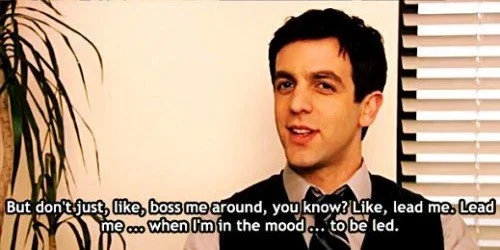
When it comes to Catholic young adult ministry, what young adults really want is to be led. Not bossed around. Not treated like underlings. Just led; with clarity, confidence, and care.
It’s not about catering to preferences. It’s about sharing the heart of the parish and inviting them into it. Young adults have more flexibility than most parishioners. In a season where they can say yes, they want the Church to give them something worth saying yes to.
They want to serve. To pray. To take responsibility. To be formed. This is revealed in both big and small ways. All it takes are some pastoral moments of reflection and sharing.
For example, maybe most parishioners slip in through the side doors on Sunday, but you really love the spiritual symbolism of people entering through the main doors. Share that with the young adult community, and you’ll see a noticeable change.
At first, it doesn’t matter which door they enter. What matters is that the pastor shared something that mattered to him, and they got to help build a culture around it. That’s not “getting young adults involved.” That’s formation. That’s belonging. That’s the point of Catholic young adult ministry.

Now, young adults do want to be heard. They just don’t want to be handed the steering wheel because leadership doesn’t feel like driving.
If we cultivate real mission (not vague “we should do something” energy), young adults will start asking the parish what it needs. But as leaders, we have to do the first work of clarity. If we don’t know our purpose, how can we expect the ministry to know it?
And when you’re leading real people, the Holy Spirit will provide moments of authentic conversation; the kind that happen after Mass, during a meal, on retreat, the end of the night cleanup.
In those conversations, young adults will share their hearts. And your job is to discern what to do with it: what to affirm, what to challenge, what to act on, and what to invite them into next. A survey isn’t relationship. A survey often communicates, “We don’t have time for the real conversations.”
If you’re curious or looking for more support in building Catholic young adult ministry that forms disciples (not just attendees), reach out: mspecht@veruscatholic.com